Last Orders
On restaurants, memory and the inevitability of time.

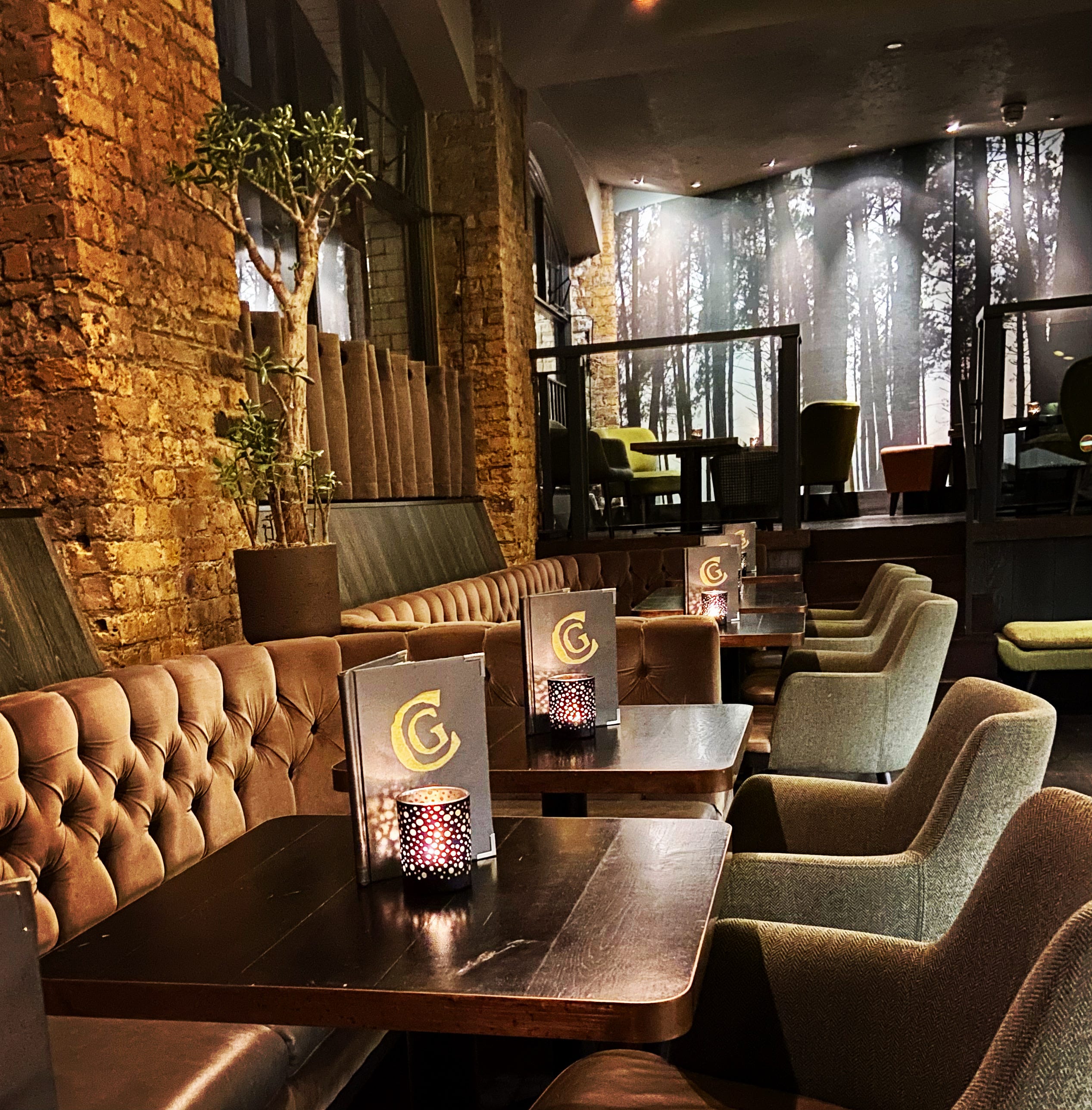
At the end of April, one of my favourite restaurants closed its doors for the last time. I was reminded of this today as one of the former owners posted on social media that they were selling fixtures and fittings. A very sad end to a wonderful enterprise.
I had been eating at the Gascon group in Smithfield since 2012, first at Comptoir Gascon (briefly immortalised via a passing shot in the Hugh Grant vehicle About a Boy) and then, after Comptoir closed during the pandemic, at Le Bar, which kept much the same menu.
The food was highly regional brasserie-style cuisine from Gascony: duck, foie gras, frites cooked in duck fat. A ‘duck burger deluxe’ (you get the idea). There might be a Gascon mess (similar to an Eton mess, but with prunes and Armagnac, so not really!) or a plate of superbly kept cheeses for dessert. A heart attack on a plate. But fabulous all the same. There were wonderful regional wines, friendly staff and a table which was always made available to me, whenever I asked. The prices always seemed fair. What more could one ask for?
The group also had a beautiful Michelin-starred restaurant called Club Gascon, run by the exceptional chef Pascal Aussignac, who had held his star for 24 years. We went there occasionally for special occasions, but that type of fine dining was never really my true love.
My real pleasure was my regular table at the two brasseries. I celebrated birthdays there and held an annual Christmas party for at least a decade. Even during Covid, they maintained a collection service which helped keep me sane. Friends and colleagues who joined me there will remember the lovely people, including Zoltan, Bertrand, Thierry, Sara and Paolo; the excellent food; and the fact that we were always assured a fantastic welcome.
While it might sound like an exaggeration, the fact that it has now closed its doors for good in a way feels rather like a bereavement. An added loss is that most of the staff – who we thought of as friends – have now left the UK to find other opportunities in Europe. A brilliant team lost to London’s culinary scene. A restaurant is, ultimately, as much about people as food.
The eventual closure of restaurants is inevitable. The restaurant where I got engaged - Mayfair’s legendary Mirabelle (1936-2008) was eventually demolished in 2016. The restaurant where we held our wedding reception (Incognico 2000-2011, owned by the late Nico Ladenis) shut its doors and was eventually replaced by a Pret a Manger – although we did at least get to celebrate several wedding anniversaries there.
Yet, somehow one also feels that we do not really value the local restaurant which looks after us, until it is gone. In February this year, Giles Coren wrote a provocative piece entitled Save Britain — go out for a meal this weekend. He noted that the UK hospitality industry was on its knees due to a perfect storm of high energy costs, food inflation, labour shortages, and rising taxes, which have caused a surge in restaurant closures in recent years. He argued that dining out is almost a patriotic act. If one can afford the current prices, I would heartily agree.
Sadly, Britain now seems to be a country of chain restaurants and clone high streets, where accountants run the roost. One does not have the impression that the Government really appreciates the benefits that longstanding neighbourhood restaurants can bring to a community. Yet, the loss of these spots can feel like a bit of a tragedy. The idea that one is no longer a regular customer, to be welcomed by name and indulged, comes as somewhat of a shock. Frankly, it also makes one contemplate one’s own mortality.
The closure of the Gascon restaurants also appears to reflect a broader commercial reality in Smithfield. When Club Gascon opened in 1998, it thrived adjacent to a fully operational meat market, which trades overnight and in the early hours of the morning. However, the market is now set for closure in 2028. It appears that, with the new London Museum expected to open later this autumn, the entire area faces a rather uncertain future, with speculation that the current market will be replaced by food halls and cultural spaces.
Smithfield and neighbouring Farringdon are currently a bit of a foodie paradise, with a number of excellent restaurants still appearing to do good business. Bouchon Racine was recently crowned National Restaurant of the Year. Henry Harris and Dave Strauss are both lovely people, great hosts and know exactly how to run the perfect brasserie. Ibai, Brutto, St John, Luca and Café du Marche all come highly recommended. The area is certainly not starved for alternative options and we can only hope that remains the case.
Le Bar has now been replaced by a wine bar called The Humble Grape, which I understand is part of a small independent chain. I’m sure it will be fine, although it will never be the same for me.
Cities have always changed and always will. But if there is somewhere you return to without really thinking about it - a local restaurant, a favourite café, or pub - please don’t assume it will always be there. One day you’ll walk past the window and find the lights are off, the chairs stacked, and realise that somewhere which had quietly become part of your life is now gone forever.
The calibre of landlords is changing as well, certainly in Greater London. A generation of more benevolent, community-oriented freeholders have handed down to their sons who are less inclined to share their view of people as well as (not before, but at least ‘as well as’) profit. They lean on restaurant lessees knowing the capital involved setting up elsewhere makes a move prohibitive and a puny margin is whittled down further still.
There is no money left in making meals for people (NI, fuel costs, VAT) so only the bland chains survive (and you can count Ramsay in that), and the last of those who do it for the pleasure, and they won’t be replaced.